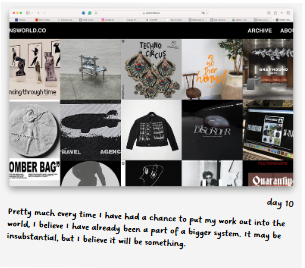
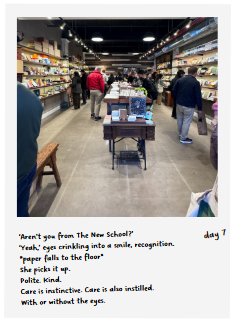
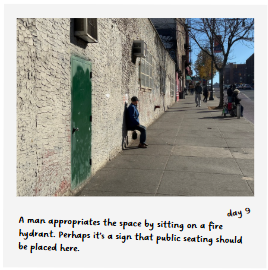
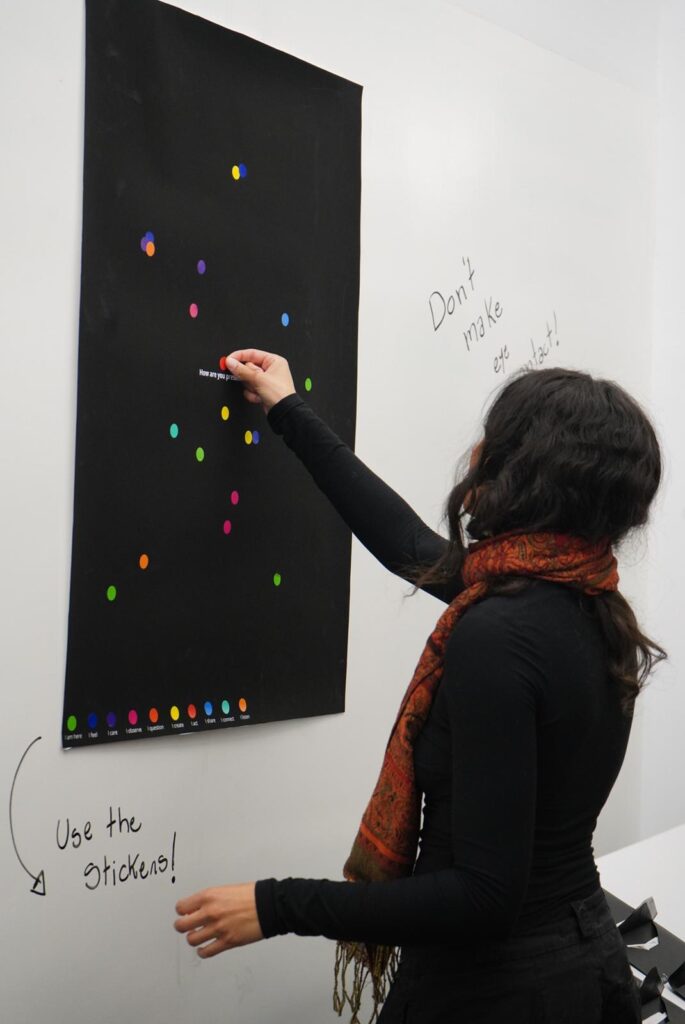
New York is a city of contradictions: radical individualism and remarkable collectivism living side by side. It’s a place where strangers argue over park redesigns and also avoid eye contact on the subway. Over the past two years, I’ve navigated this city not just as a resident, but as a civic design researcher, paying close attention to how people participate, resist, and reimagine public life here.
My role
Civic Designer | Researcher | Facilitator | Service Designer
Scope
This project explores how diverse residents of New York City experience and enact civic participation beyond formal systems. The focus is on understanding where and how people feel a sense of belonging, voice, and agency in the city’s public life. Through participatory workshops, mapping activities, and creative outputs, the project investigates the gaps and barriers in traditional civic institutions (like community boards and public hearings) and proposes more inclusive, human-centered ways to imagine civic engagement. The work is both a research inquiry and a design practice, blending qualitative methods with visual storytelling to make civic participation more accessible and meaningful.
Highlights
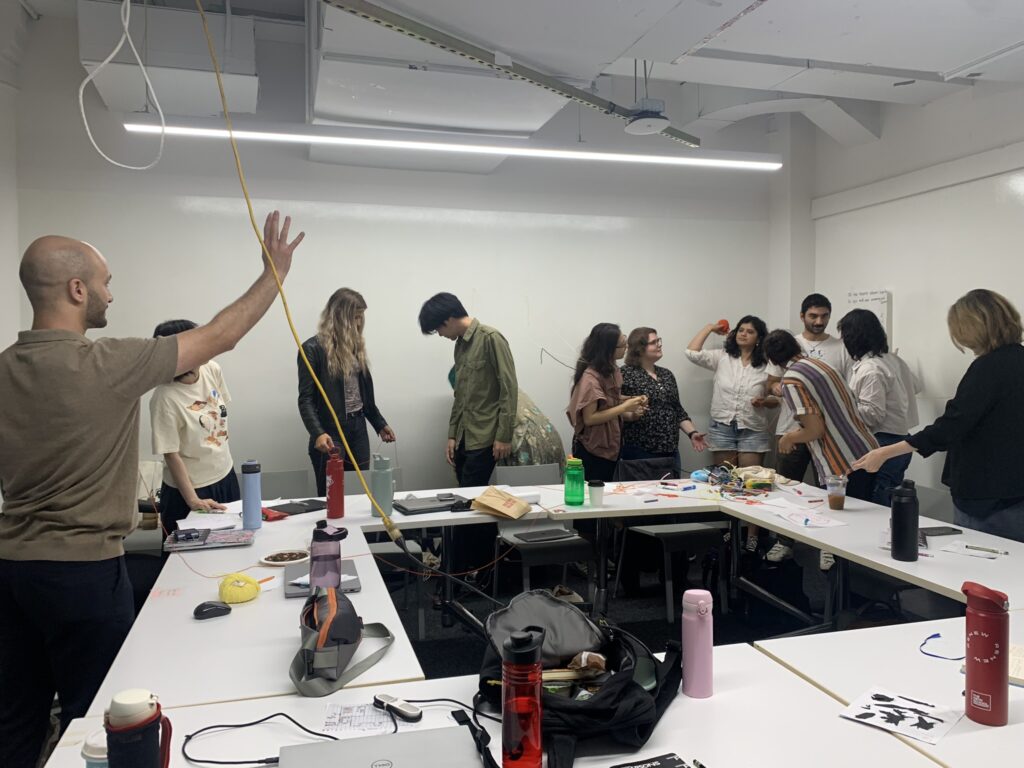
Facilitated participatory workshops to explore civic belonging through conversation and reflection
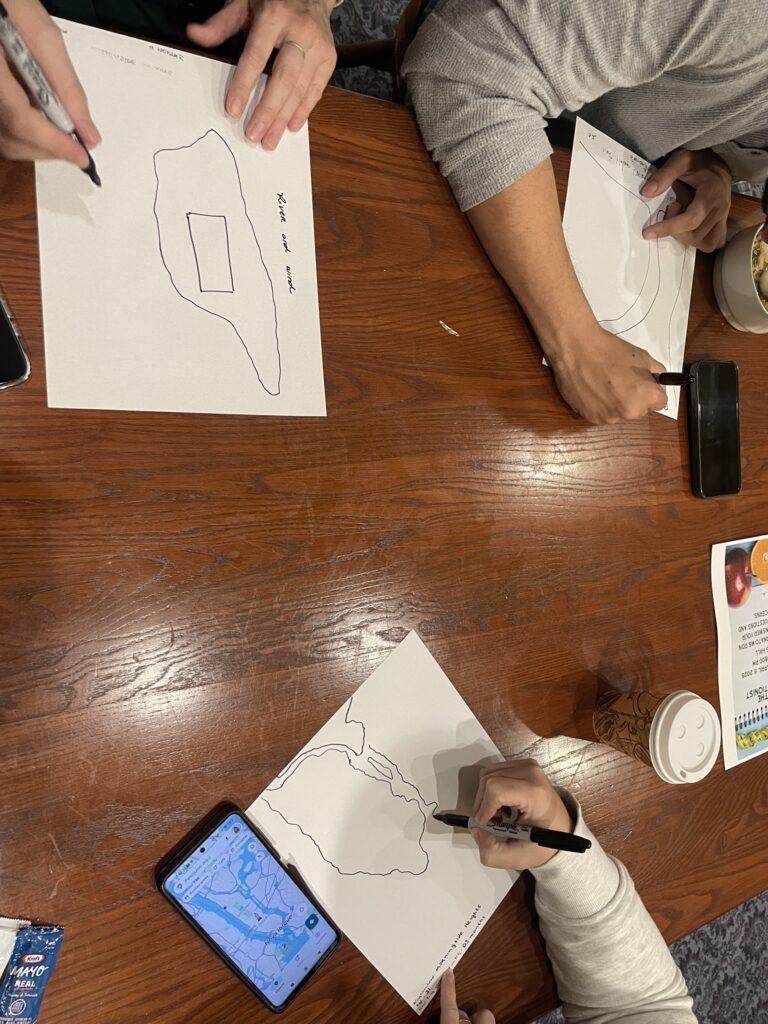
Designed and led a mapping activity where participants illustrated spaces of voice, care, and connection across NYC
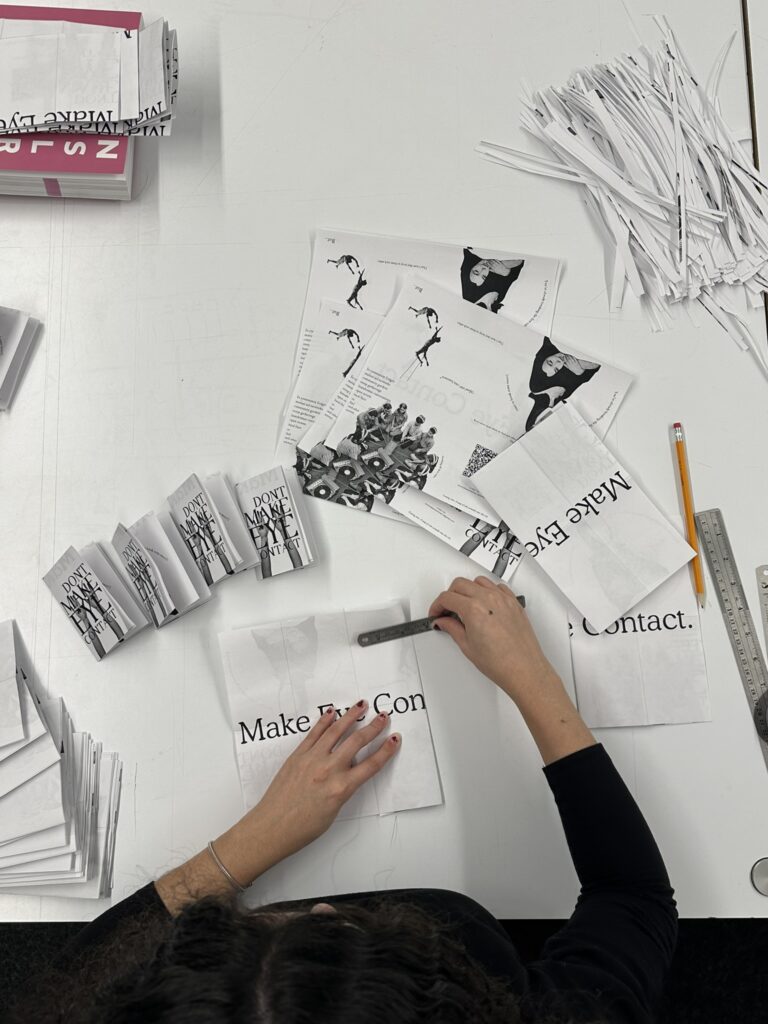
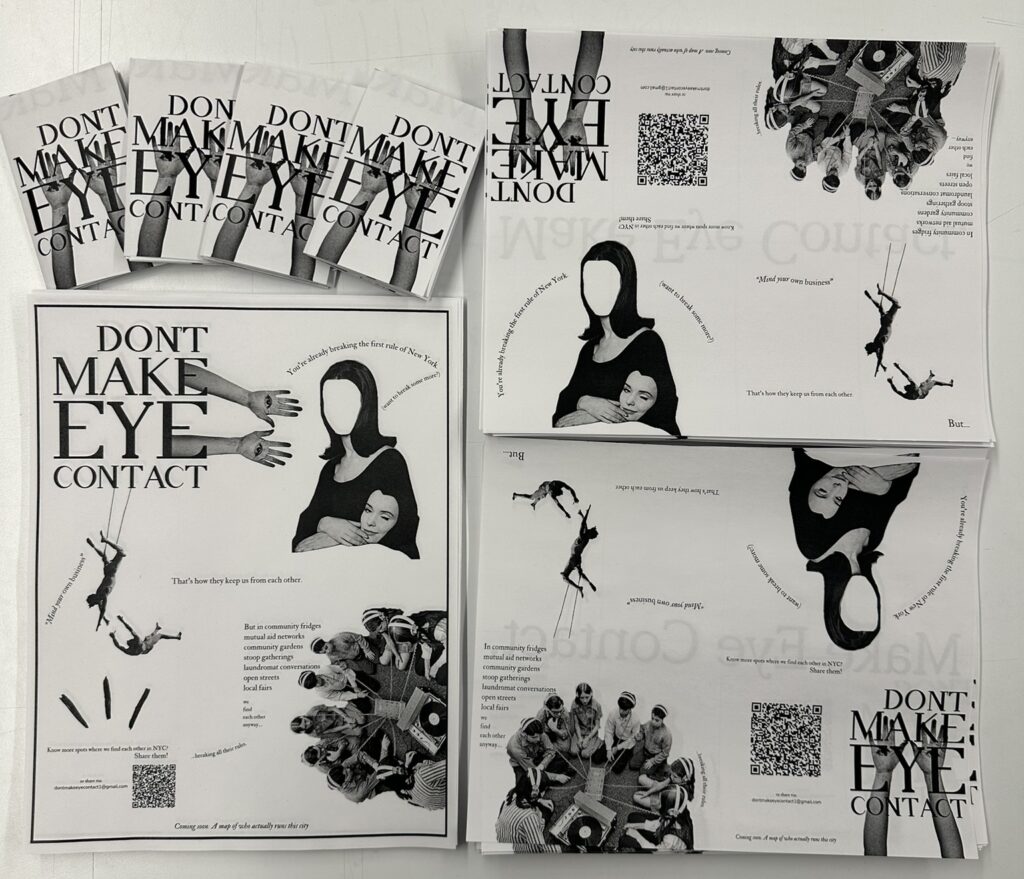
Created a civic field guide, zine, and mockumentary to share insights on informal participation
Researched systems like community boards and public hearings to explore structural barriers
Context
New York City offers many formal channels for civic engagement, like community boards, participatory budgeting, and public hearings. These systems are designed to give residents a voice in local decision-making. However, for many people, especially newcomers, immigrants, and those unfamiliar with bureaucratic language and processes, these spaces can feel inaccessible or unwelcoming.
Though technically public, the meetings and procedures often create barriers that exclude diverse voices. This dynamic makes it challenging for many residents to participate fully or feel that their perspectives truly matter within the city’s governance.
My Practice
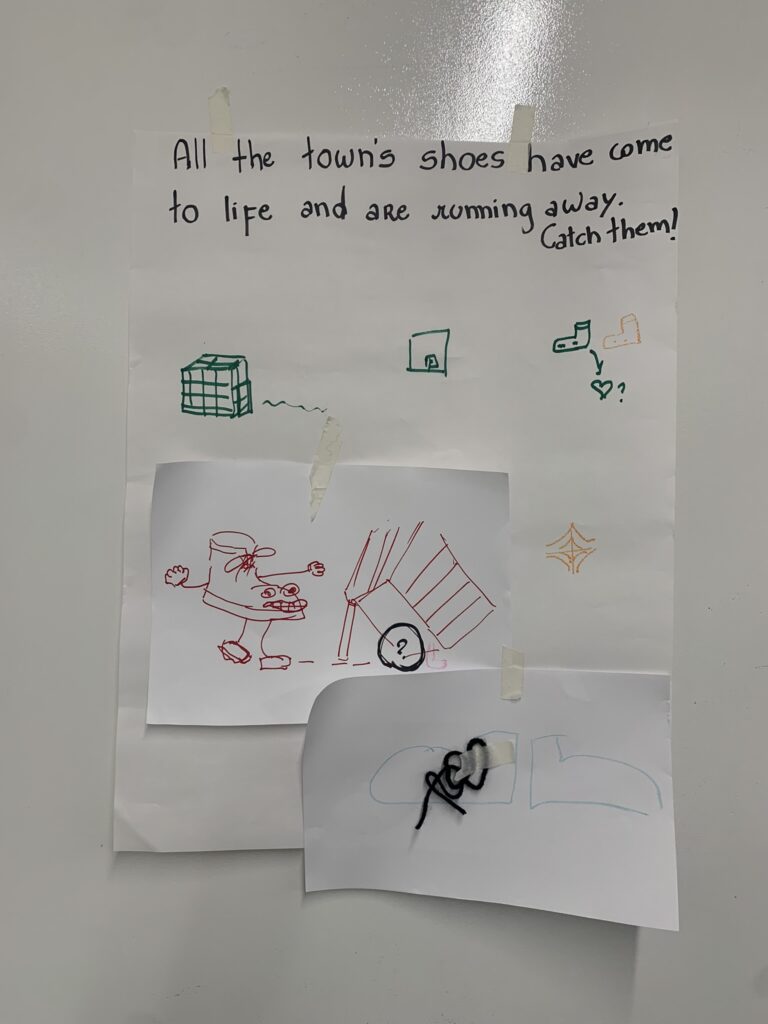
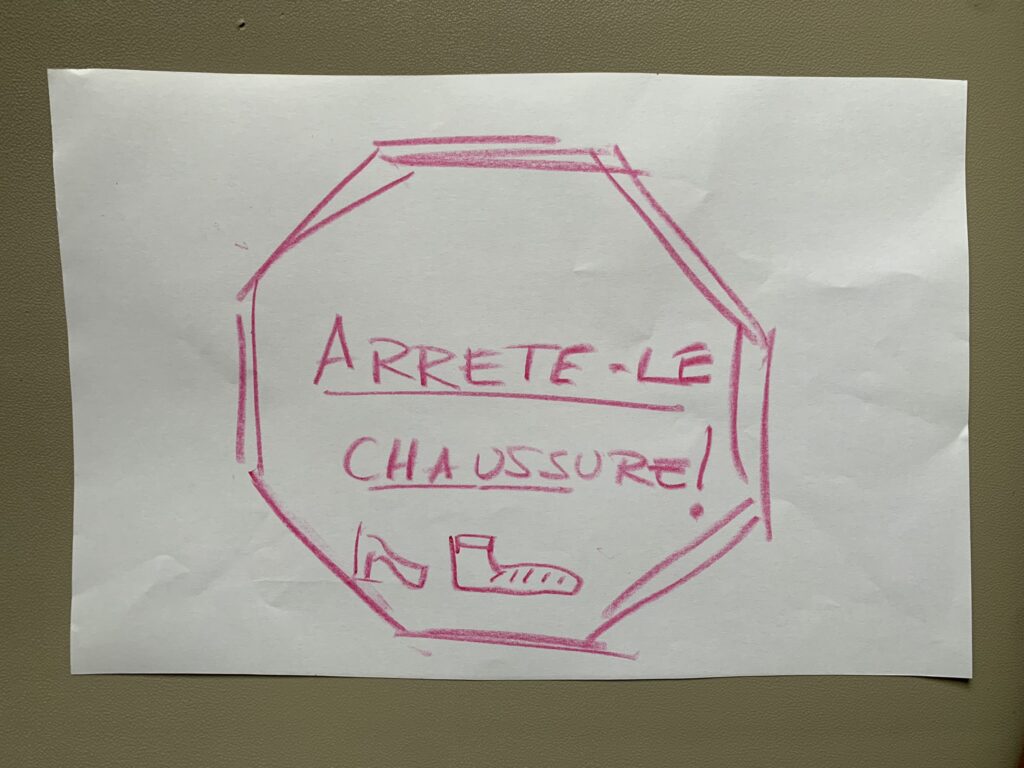
I built a creative research practice rooted in listening and co-creation, intentionally designed to center voices often excluded from formal civic spaces. Through a series of workshops, I facilitated conversations with residents – many of whom face language and cultural barriers – to explore their lived experiences of belonging and participation in New York City.
Complementing these dialogues, I produced a zine and a field guide that distilled participants’ insights into accessible, visually engaging formats. A mockumentary further amplified these voices by blending storytelling with critical reflection on civic engagement norms. Mapping sessions enabled participants to visualize and articulate their sense of voice and agency in the city, reframing civic life through their eyes.
This practice combined qualitative research with design facilitation and creative communication, emphasizing empathy, accessibility, and participatory methods.
Participatory Mapping
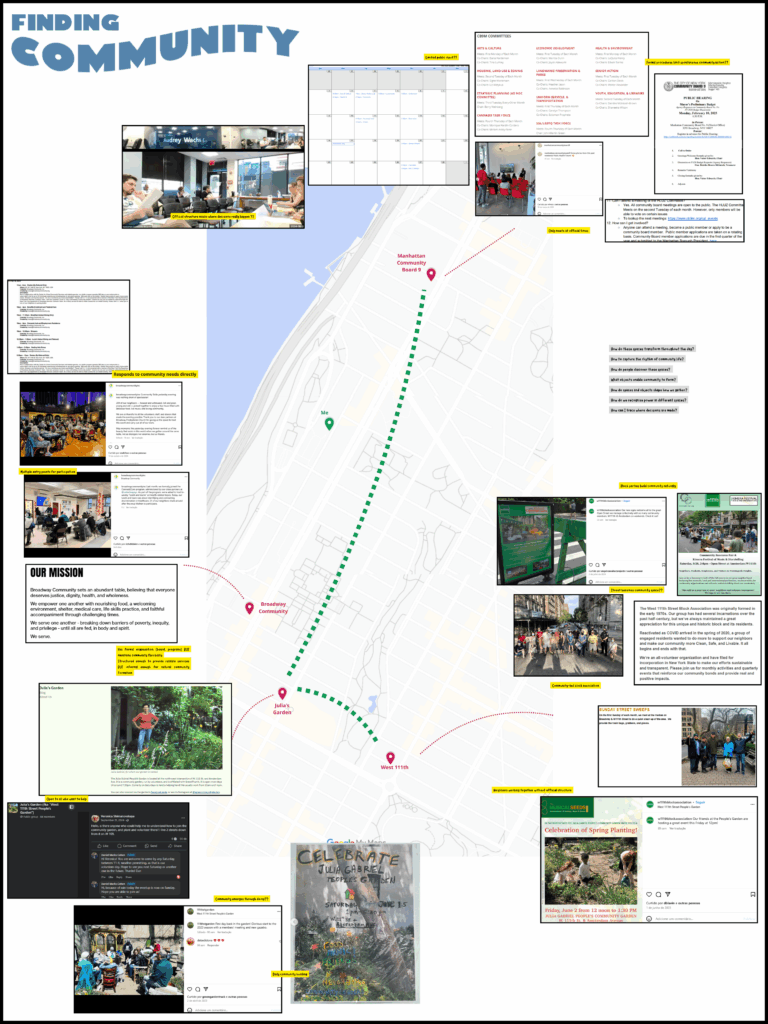
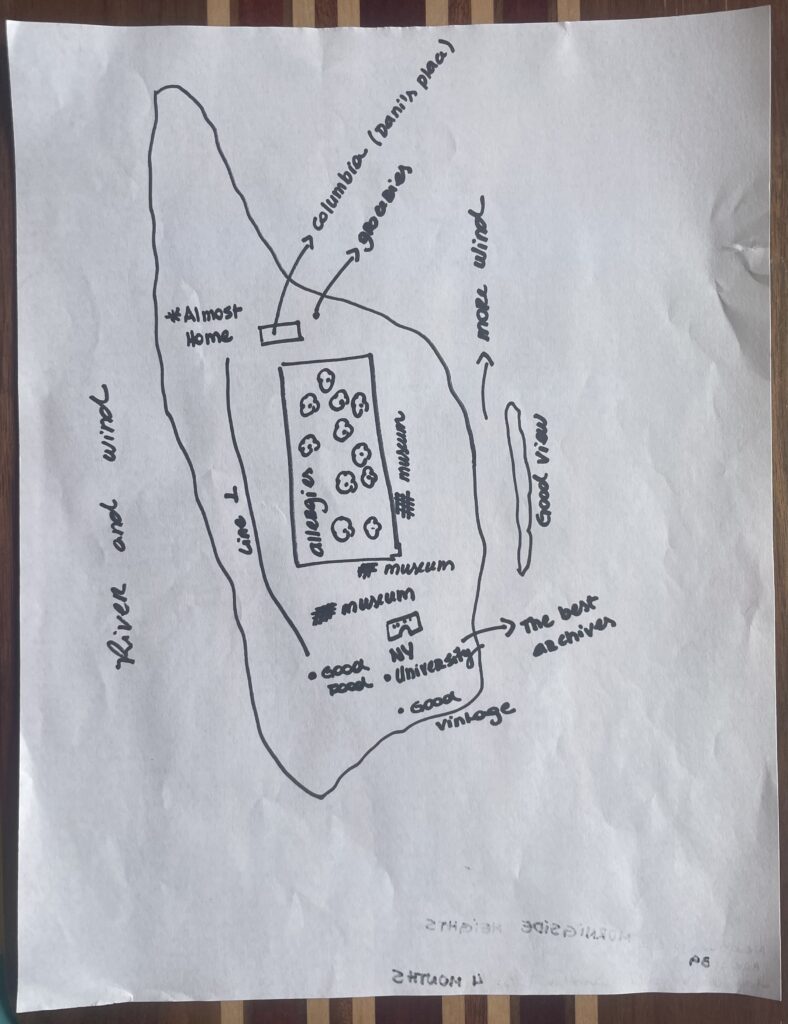
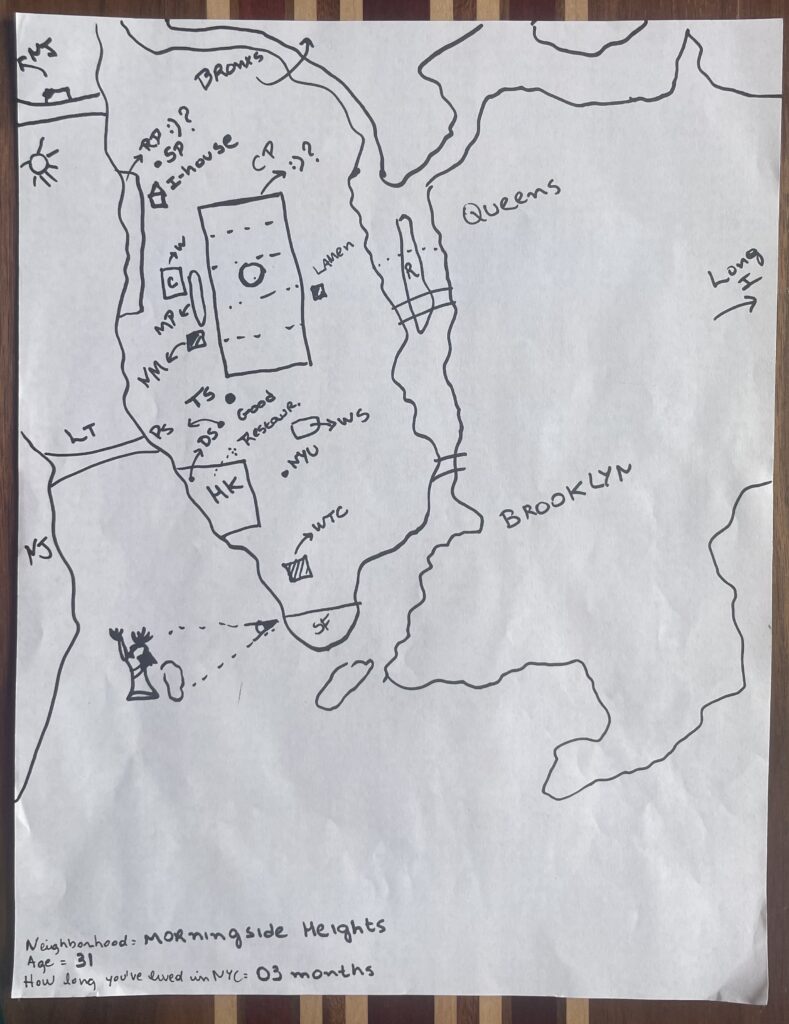
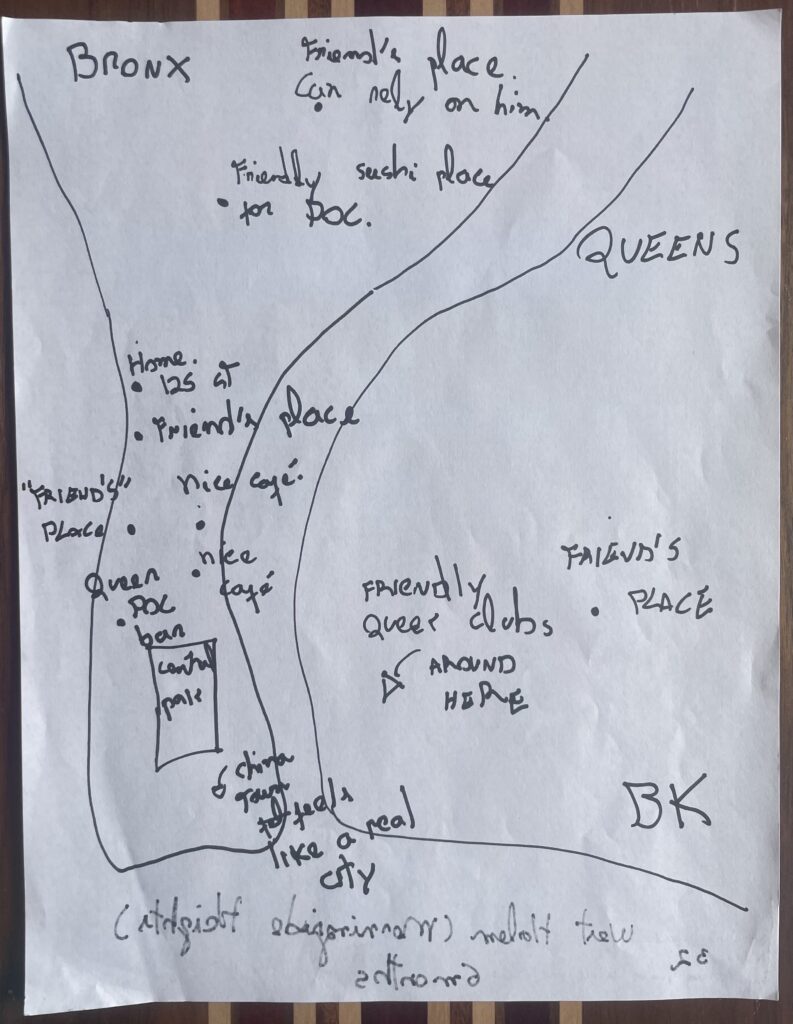
The participatory mapping exercise was a pivotal part of this project. Participants were invited to draw their own versions of New York, not focusing on traditional landmarks or tourist spots, but on the places where they genuinely feel heard, connected, and empowered.
These maps uncovered patterns of civic participation rooted in everyday, often overlooked spaces such as friends’ homes, community gardens, corner stores, local parks, places that foster care, support, and informal networks. This visualization challenged conventional ideas of civic engagement as confined to formal meetings or institutions.
By centering these “invisible” spaces, the mapping highlighted how belonging and voice are deeply intertwined with place and community, offering new possibilities for more inclusive civic design.
Why It Matters
Belonging isn’t an afterthought to civic life. It’s a precondition. If you don’t feel like you belong, it’s hard to believe your voice matters. My work challenges narrow definitions of civic engagement and shows how, for many, simply navigating the city is a civic act.
This thesis is the foundation of an ongoing practice that reimagines how civic systems see and support participation. Not by designing over people, but by creating spaces where they can speak for themselves.